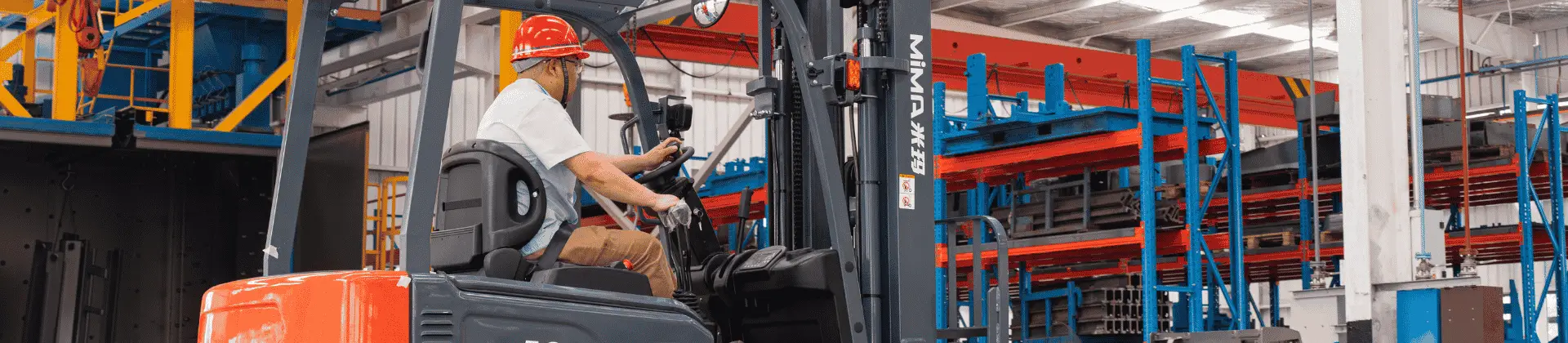
Multi-Directional Forklift
What Is a Multi-Directional Forklift?
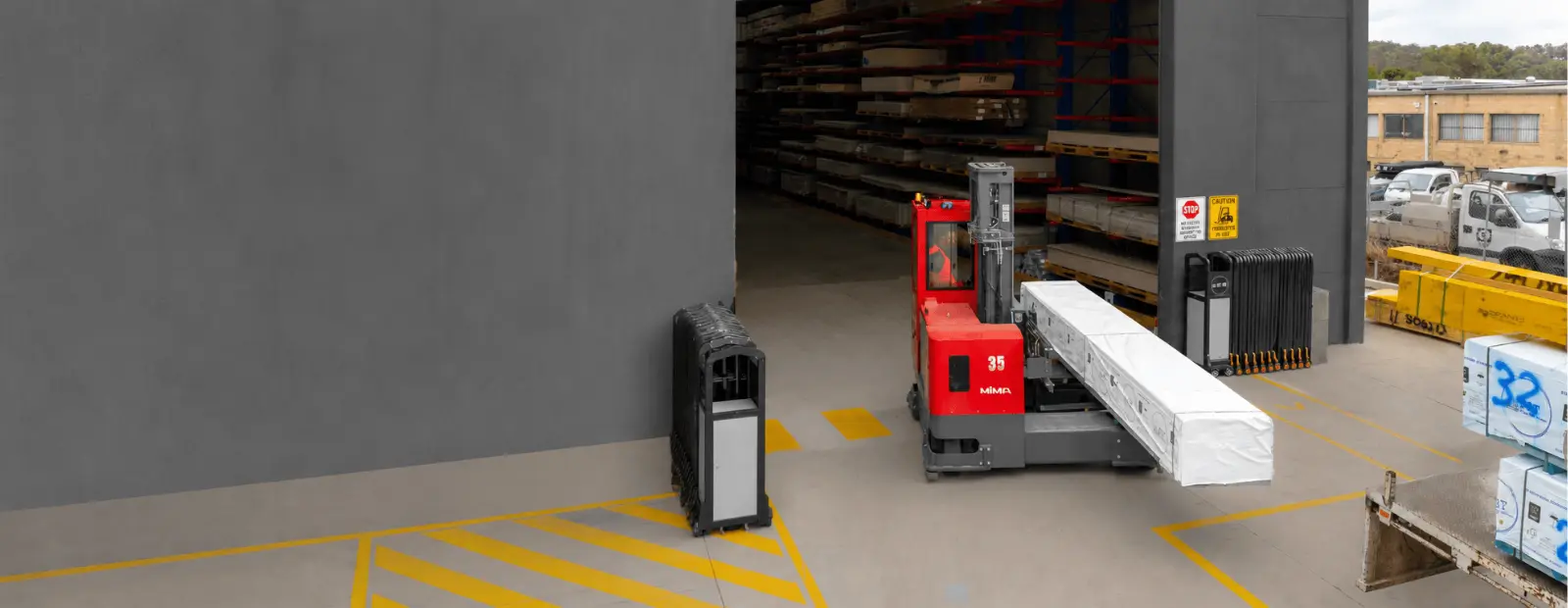
Move long loads sideways through narrower routes
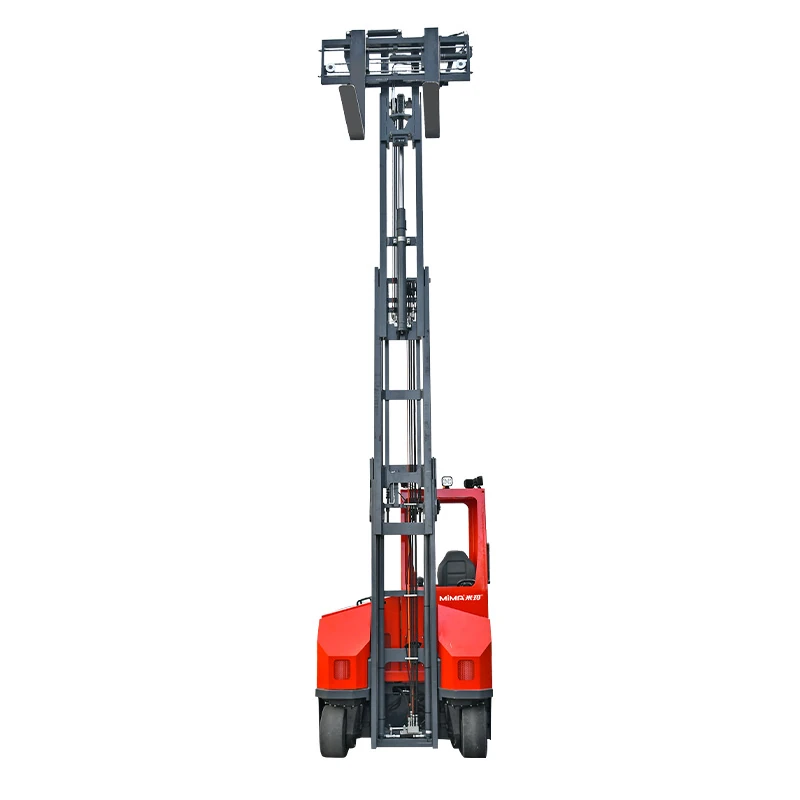
3.0T Side Seat Electric Multi-Directional Counterbalance Forklift MQK30
- Load Capacity
- 3,000 kg
- Lift Height
- 3,600–8,000 mm
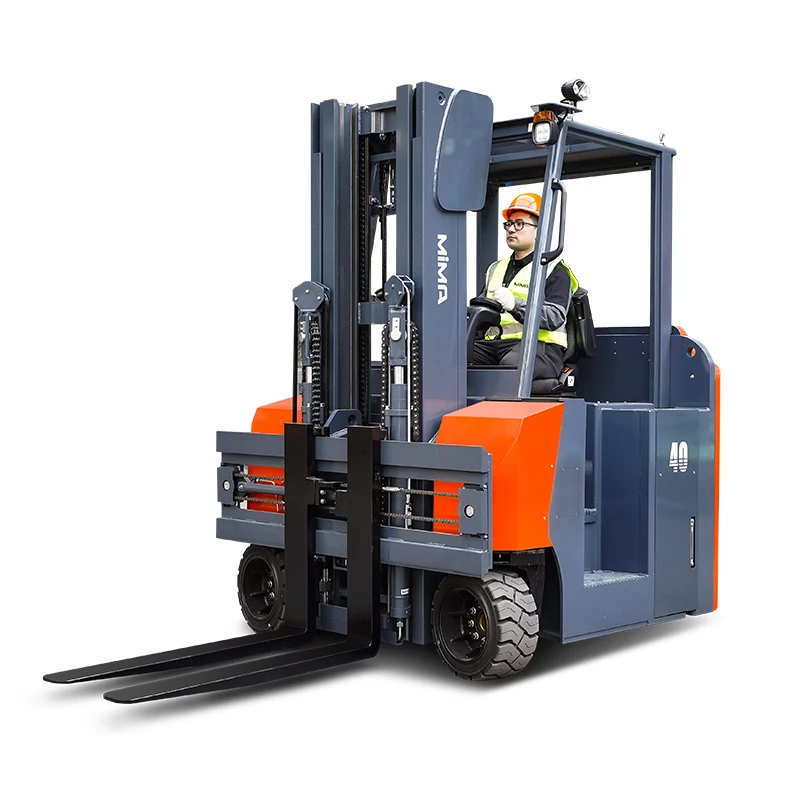
4.0T Central Seat Electric Multi-Directional Counterbalance Forklift MQK40
- Load Capacity
- 4,000 kg at 600 mm
- Lift Height
- 4,500–7,500 mm
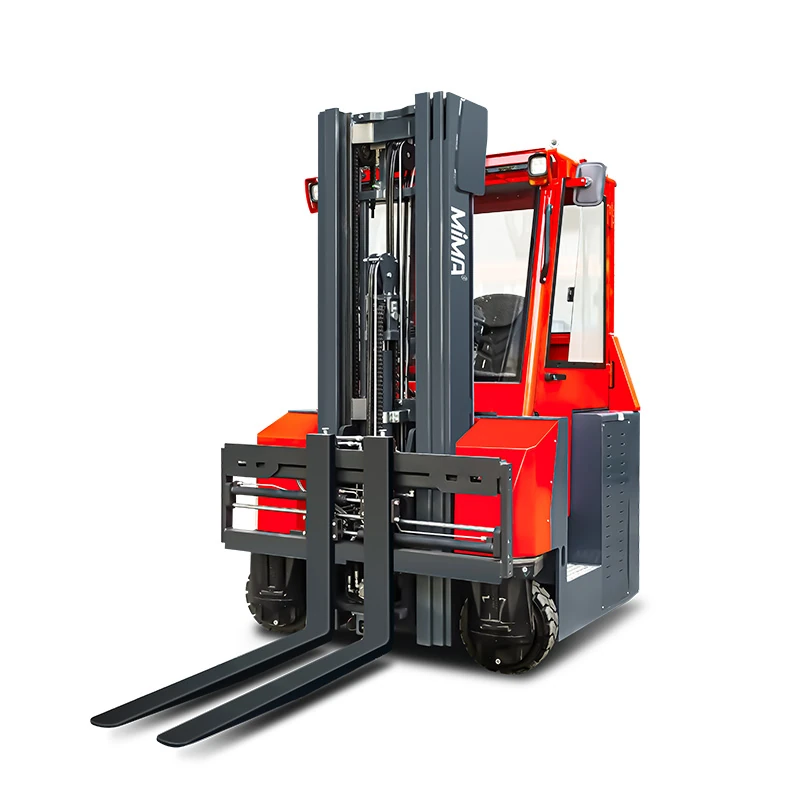
3.0T Central Seat Electric Multi-Directional Counterbalance Forklift MQK30
- Load Capacity
- 3,000 kg at 500 mm
- Lift Height
- 4,600–8,000 mm
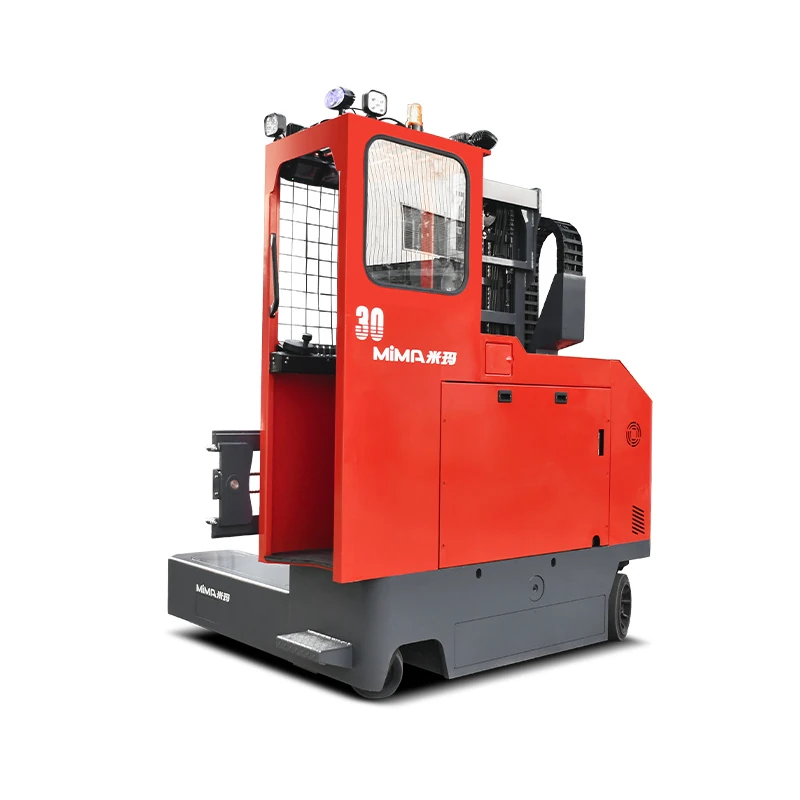
3.0T Stand-On Electric Multi-Directional Reach Truck MQB30
- Load Capacity
- 3,000 kg at 600 mm
- Lift Height
- 4,600–8,000 mm
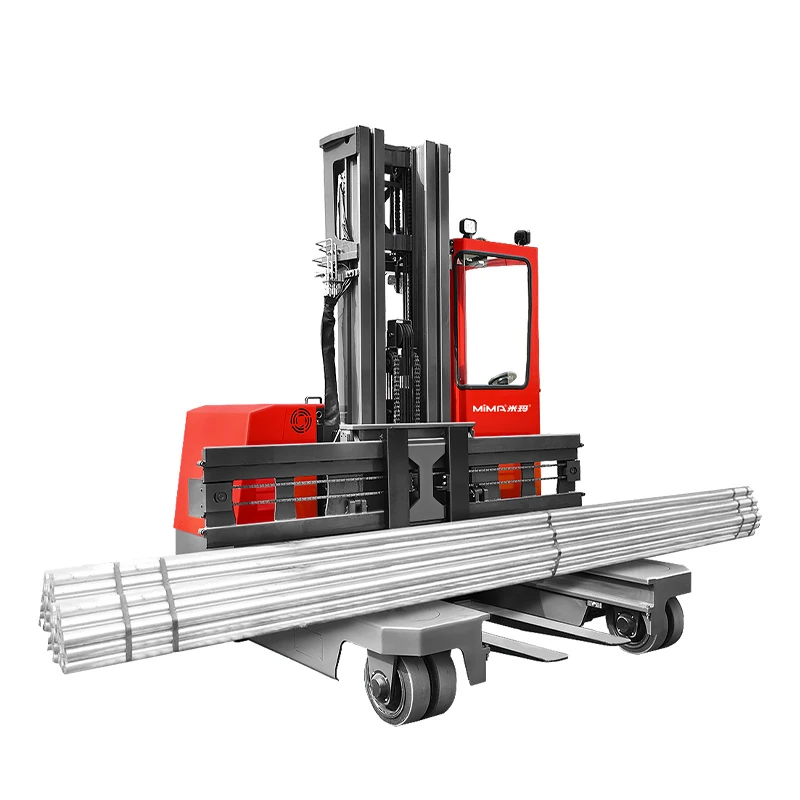
3.0T Seated Electric Multi-Directional Reach Truck MQC30
- Load Capacity
- 3,000 kg at 600 mm
- Lift Height
- 4,500–8,500 mm
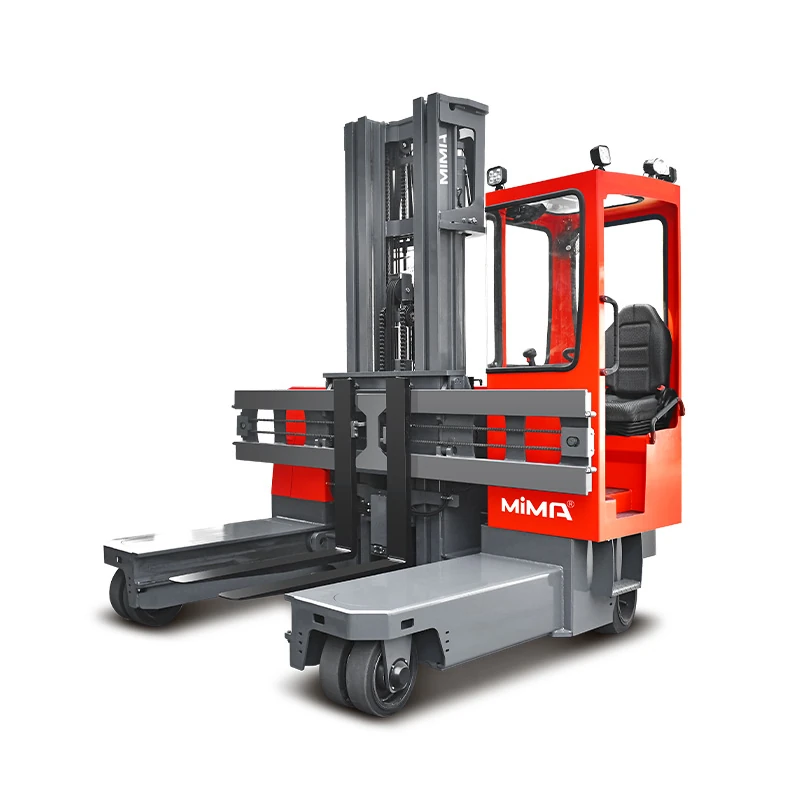
4.0–5.0T Seated Electric Multi-Directional Reach Truck MQC40/50
- Load Capacity
- 4,000–5,000 kg at 600 mm
- Lift Height
- 4,500–8,000 mm
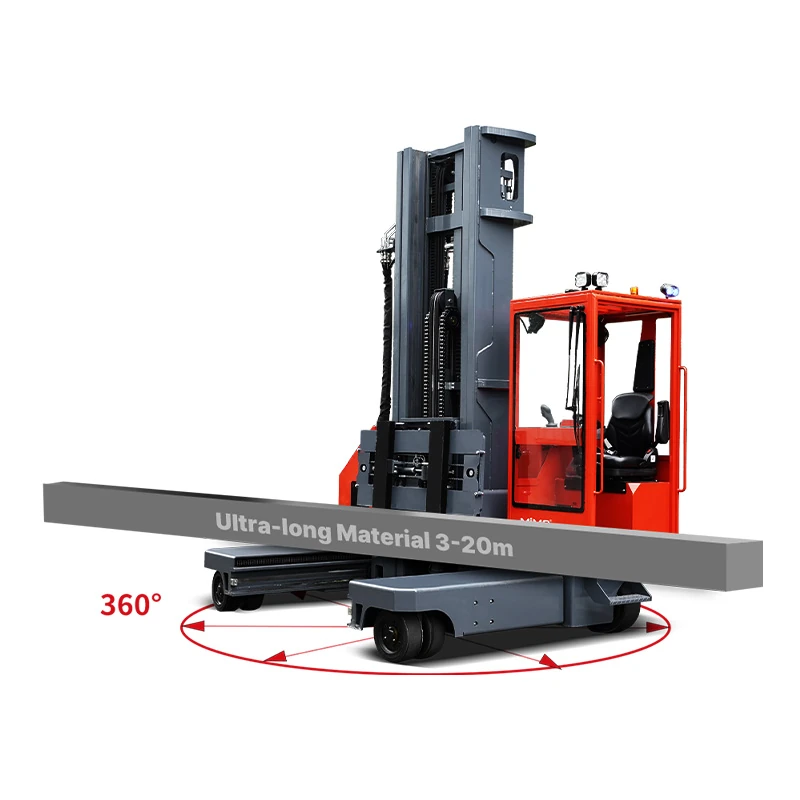
8.0T Seated Electric Multi-Directional Reach Truck MQC80
- Load Capacity
- 8,000 kg at 600 mm
- Lift Height
- 4,500–8,000 mm
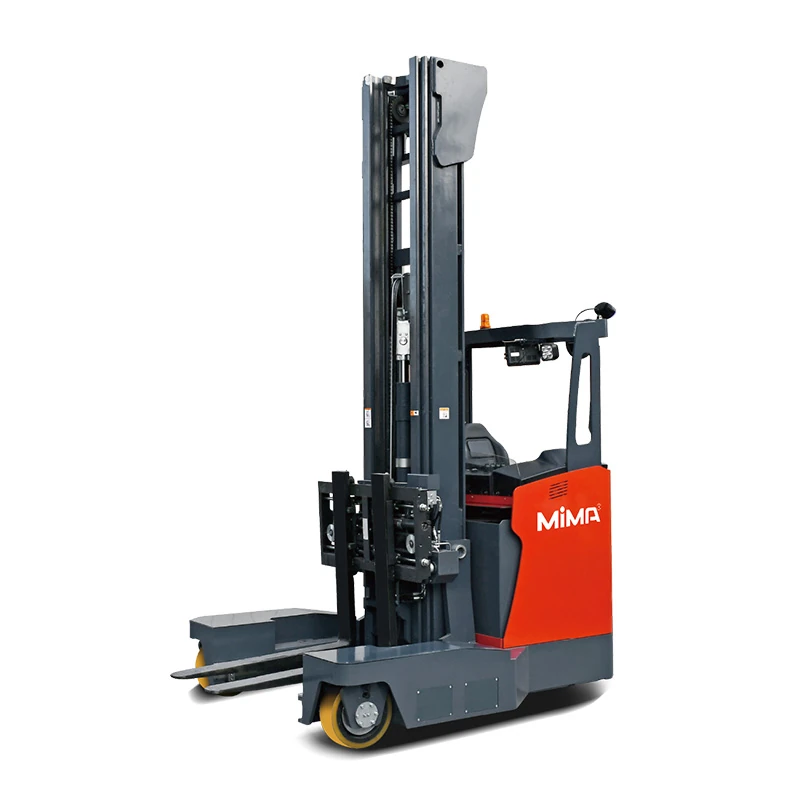
2.5–3.0T Seated Electric Multi-Directional Reach Truck MQZ25/30
- Load Capacity
- 2,500–3,000 kg at 500 mm
- Lift Height
- 3,600–10,500 mm
Designed for Long Material Handling
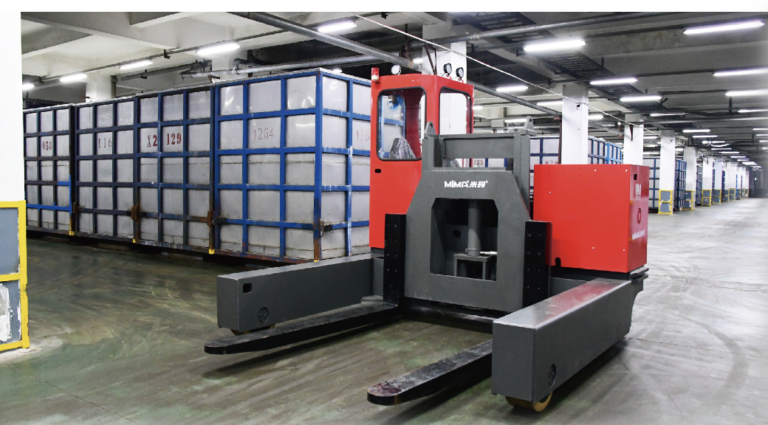
Multi-directional travel helps move steel, aluminium, timber, pipes, panels and other oversized loads through restricted spaces.
Sideways Travel
Align long materials with the aisle and move them lengthwise without the wide turning space required by a conventional forklift.
Multi-Directional Steering
Straight, sideways, diagonal and in-situ rotation modes improve manoeuvrability across complex warehouse and yard routes.
Stable Load Support
Wide fork-positioning options and purpose-built chassis configurations support controlled handling of long and heavy loads.
Better Space Utilisation
Reduce turning and transfer space so more of the site can be used for storage, production and material flow.
Which Multi-Directional Series Is Right for You?
Compare the five principal truck formats, operating environments and application strengths.
| Spec | MQC | MQK | MQZ | MQB | MQ |
|---|---|---|---|---|---|
| Truck type | Seated multi-directional reach truck | Seated multi-directional counterbalance forklift | Seated multi-directional reach truck | Stand-on multi-directional reach truck | Compact stand-on multi-directional forklift |
| Load capacity | 2.5–8.0 t | 3.0–4.0 t | 2.5–3.0 t | 3.0 t | 2.5 t |
| Max. lift height | Up to 8.5 m | Up to 8.0 m | Up to 10.5 m | Up to 8.0 m | Up to 8.0 m |
| Operator position | Seated | Seated | Seated | Stand-on | Stand-on |
| Mast reach | Yes | No | Yes | Yes | Yes |
| Primary environment | Indoor & outdoor* | Indoor & outdoor* | Primarily indoor | Primarily indoor | Primarily indoor |
| Best for | Long and heavy loads | Mixed loads and yard-to-warehouse handling | Narrow aisles, high stacking and frequent use | Narrow-aisle long-load handling | Compact, economical applications |
How to choose: Start with the load weight, length and load centre, then confirm lift height, aisle width and the full travel route. Choose MQK when a counterbalance format and mixed indoor-outdoor operation are priorities; choose MQZ for the highest lift height; choose MQB or MQ for compact stand-on operation; and use the MQC range for seated handling of long and heavy loads.
Rated capacity does not automatically apply at maximum lift height. Residual capacity, minimum aisle width and outdoor suitability depend on the load centre, load dimensions, mast, fork spread, tyres, ground conditions and project configuration. MiMA Thailand will confirm the final specification after reviewing your application.
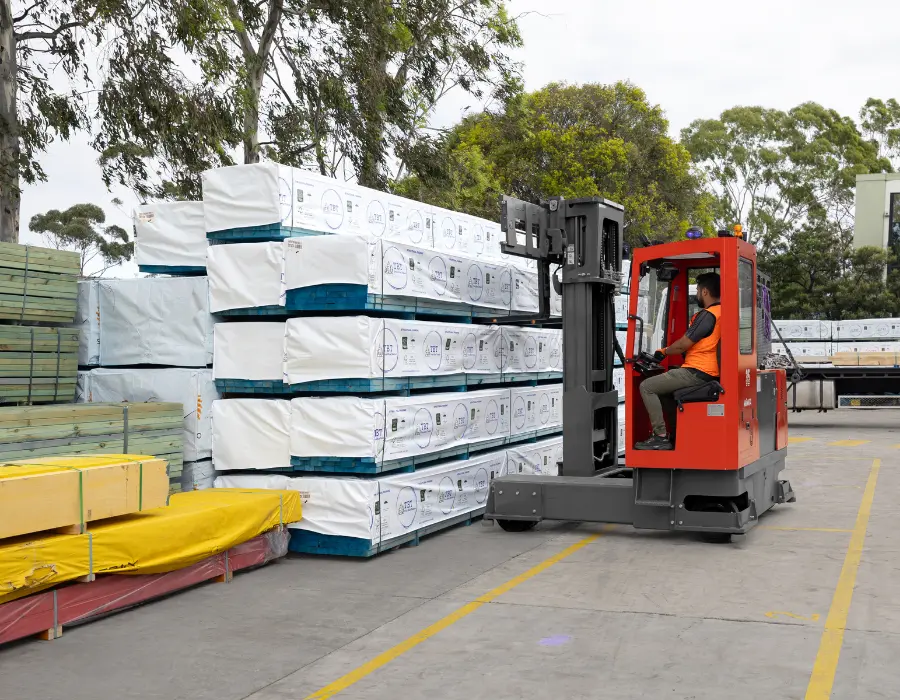
Match the Truck to the Load and Site
A multi-directional forklift should be selected around the material, warehouse layout and complete operating route.
- Material length, profile and load centre
- Load weight and required residual capacity
- Aisle width, door clearances and turning space
- Rack layout, lift height and travel route
- Floor condition, environment and daily duty cycle
MiMA Thailand can review your material data and site layout before recommending a model and configuration.
Request a Project Review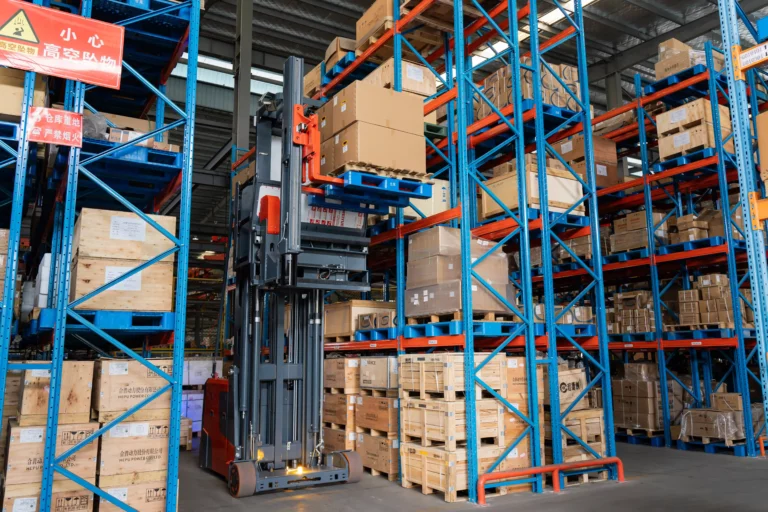
Frequently Asked Questions
What is a Multi-Directional Forklift used for?
It is designed for long and oversized materials such as steel profiles, aluminium extrusions, timber, pipes and panels. Sideways travel lets these loads move through routes that would be difficult for a conventional forklift.
How does sideways travel reduce warehouse space?
The truck aligns a long load with the aisle and travels sideways, reducing the wide turning and repositioning area normally required by a conventional forklift.
Can one truck handle long loads and standard pallets?
Yes, depending on the model and attachment. MQK counterbalance models are especially suitable for mixed long-load and conventional pallet work, while reach and stand-on models are optimised for long-load storage.
Can a Multi-Directional Forklift work outdoors?
Selected configurations can work indoors and outdoors. Tyres, ground condition, gradients, weather protection, travel distance and braking requirements must be reviewed before the final model is selected.
Do you keep stock and spare parts in Thailand?
MiMA Thailand supports customers from its Samut Prakan facility with local stock, spare-parts coordination, application review and on-site service. Model availability should be confirmed with the local team.
What is the difference between MQC, MQK and MQZ?
MQC models are seated reach-format trucks for long and heavy loads. MQK models use a counterbalance chassis for mixed loads and indoor-outdoor routes. MQZ models are compact seated reach trucks focused on narrower aisles, higher stacking and frequent warehouse operation.
What information is needed for model selection?
Please provide load weight, material dimensions, load centre, lift height, aisle width, door clearances, rack layout, floor conditions, travel route and daily operating hours.