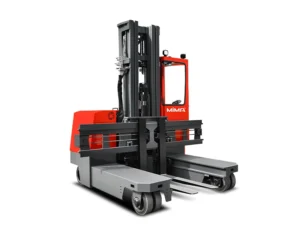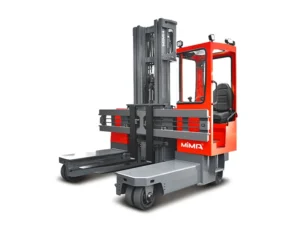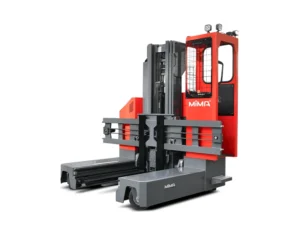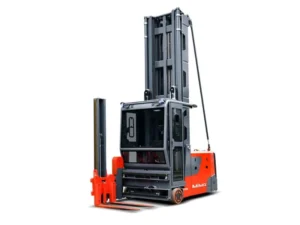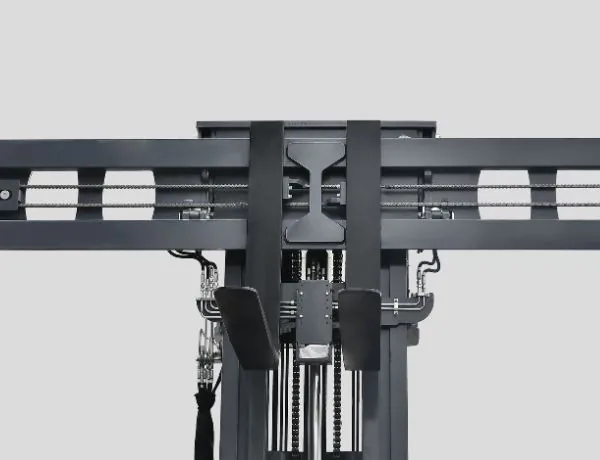
ระยะห่างระหว่างงายกปรับได้ เพื่อรองรับวัสดุที่มีความกว้างแตกต่างกัน ช่วยให้ขนย้ายวัสดุที่มีความยาวได้อย่างยืดหยุ่น
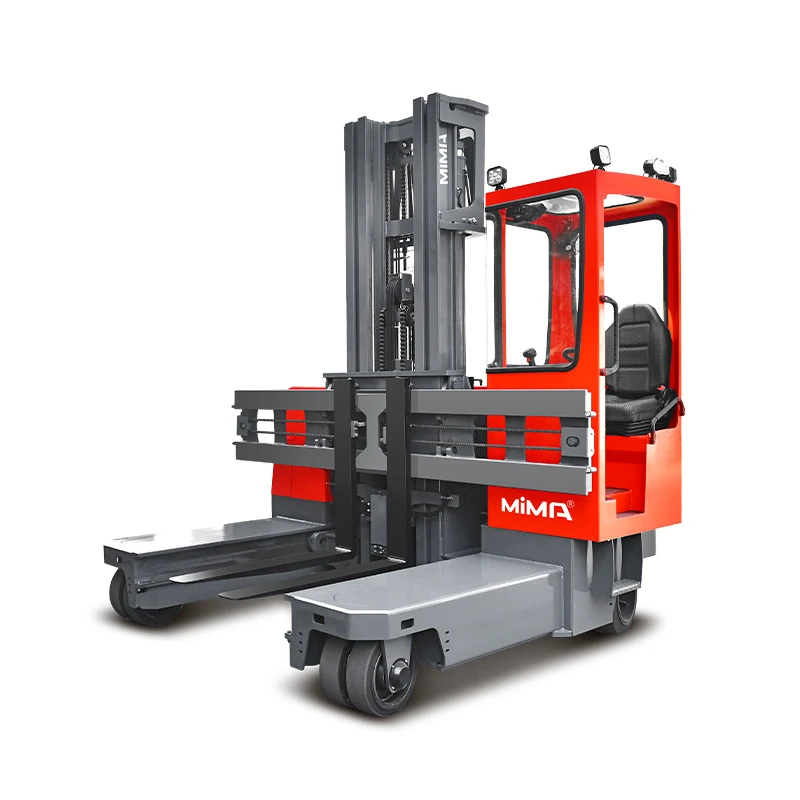
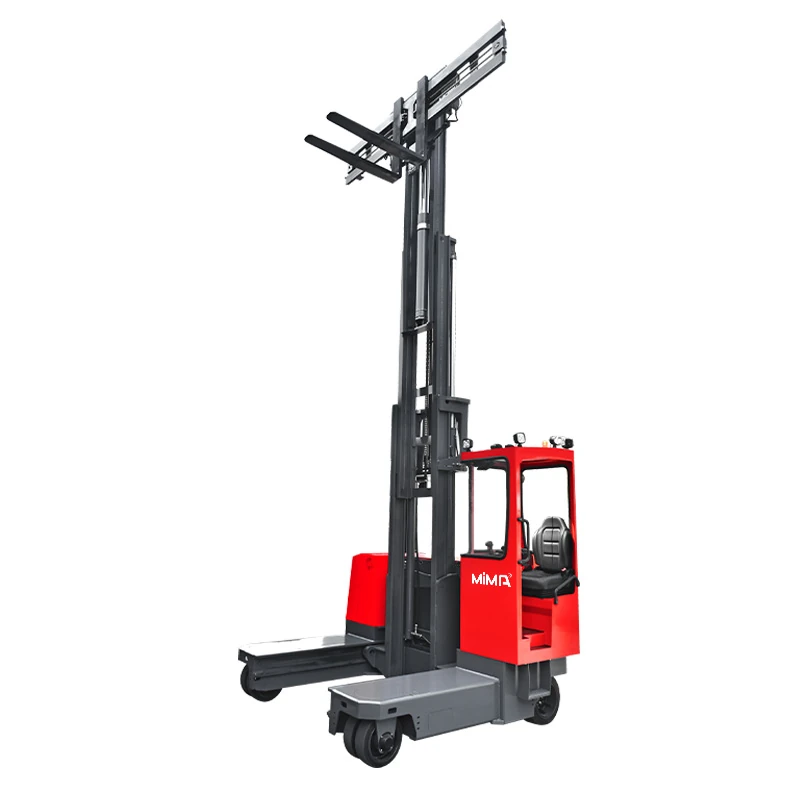
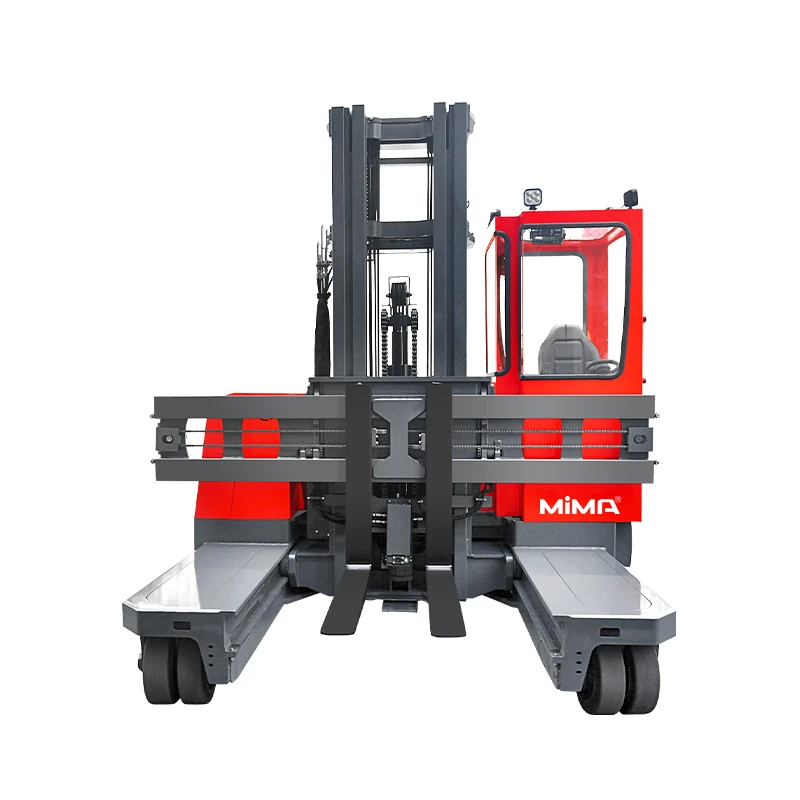
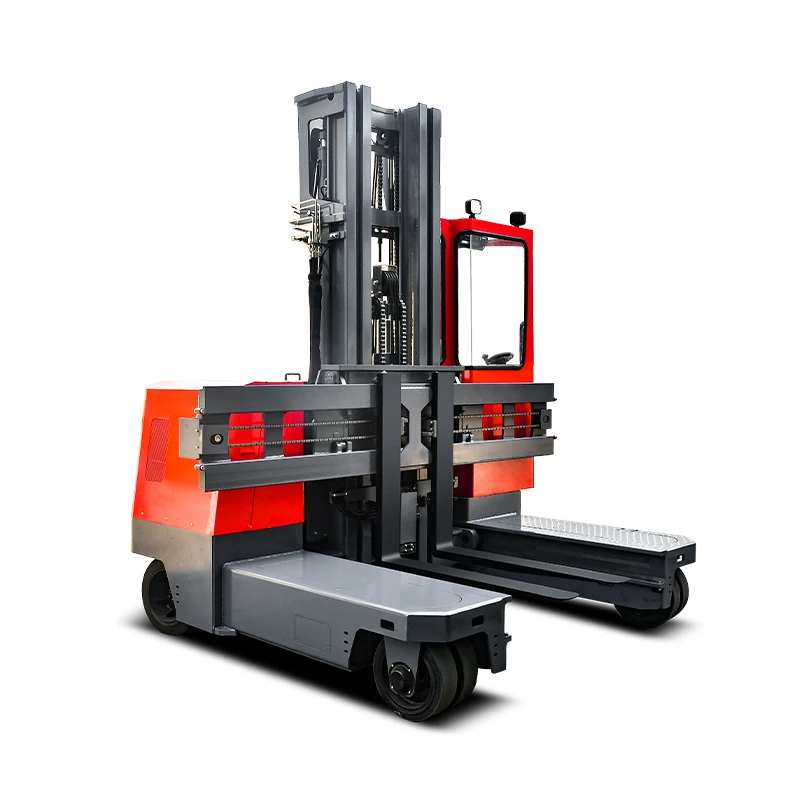
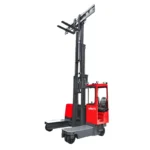
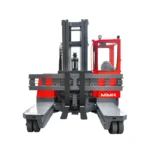
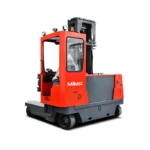
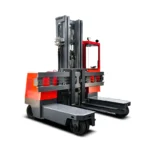
ระยะห่างระหว่างงายกปรับได้ เพื่อรองรับวัสดุที่มีความกว้างแตกต่างกัน ช่วยให้ขนย้ายวัสดุที่มีความยาวได้อย่างยืดหยุ่น
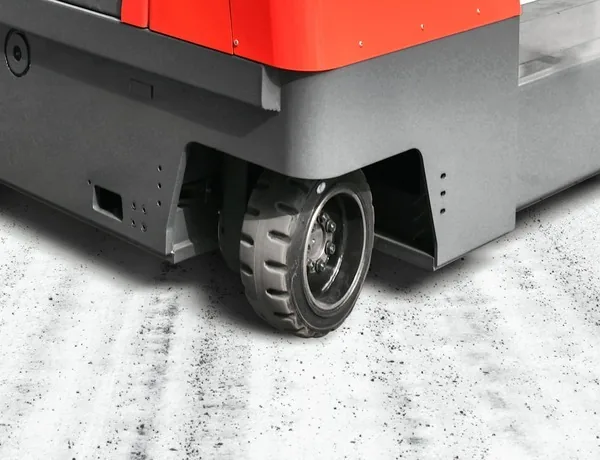
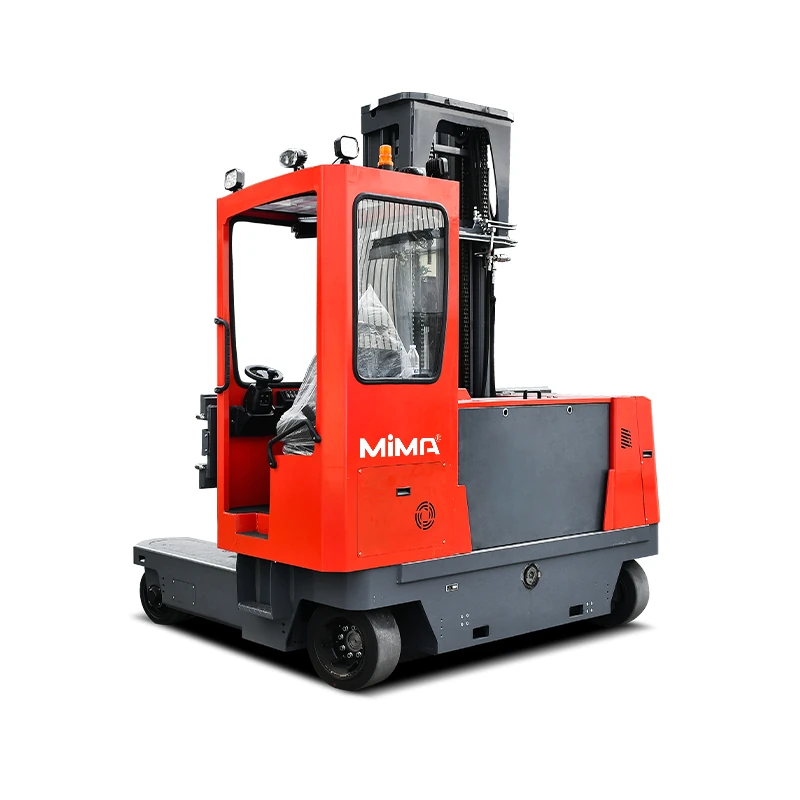
การออกแบบยางช่วยรองรับน้ำหนักได้อย่างมั่นคงและเคลื่อนที่ได้อย่างราบรื่นในการขนย้ายสินค้าประจำวัน
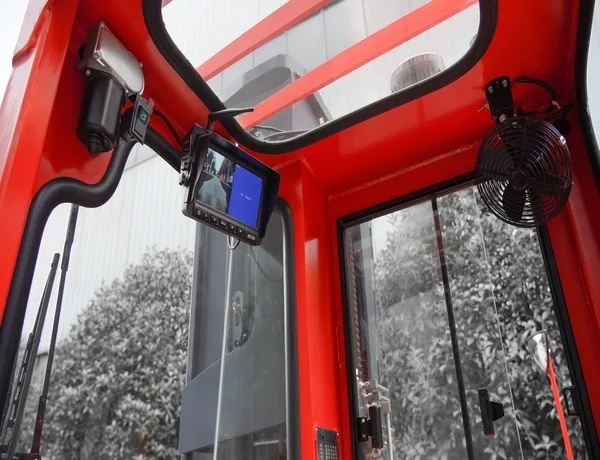
ทัศนวิสัยที่ชัดเจนช่วยให้มองเห็นสินค้าได้ดีขึ้น และเพิ่มความมั่นใจให้ผู้ขับขี่ขณะขนย้ายและจัดเก็บสินค้า
| Specification | MQC40 | MQC50 |
|---|---|---|
| Model | MQC40 | MQC50 |
| Operation Type | ||
| Load Capacity | 4,000 kg at 600 มม. | 5,000 กก. ระยะ 600 มม. |
| Lift Height | 4,500–8,000 มม. | 4,500–8,000 มม. |
| Mast Type | Single Mast, Duplex Mast, Triple Mast | Single Mast, Duplex Mast, Triple Mast |
| Fork Outside Spread | 560–2,800 มม. | 560–2,900 มม. |
| Aisle Width | เริ่มต้นที่ 2,800 มม.* | เริ่มต้นที่ 2,800 มม.* |
| Battery Spec | แบตเตอรี่ตะกั่ว 48V/560Ah ; 48V/700Ah ; 48V/460Ah หรือตัวเลือกเสริม แบตเตอรี่ลิเธียม 600Ah | แบตเตอรี่ตะกั่ว 80V/500Ah ; 80V/460Ah หรือตัวเลือกเสริม แบตเตอรี่ลิเธียม 600Ah |
MiMA MQC40/50 มีให้เลือก 2 ขนาดความสามารถรับน้ำหนัก บนโครงสร้างรถยกรีชหลายทิศทางแบบนั่งขับเดียวกัน MQC40 รองรับ 4,000 กก. ส่วน MQC50 รองรับ 5,000 กก.
ทั้งสองรุ่นมีระยะยืดเสา 1,300 มม. และระบบบังคับเลี้ยวทั้ง 4 ล้อที่ควบคุมแยกจากกัน สามารถเคลื่อนที่ตรงไปด้านหน้า เคลื่อนที่ด้านข้าง เคลื่อนที่แนวทแยง และหมุนตัวอยู่กับที่ได้
รุ่น MQC40 ปรับระยะห่างระหว่างงายกได้ 560–2,800 มม. ส่วนรุ่น MQC50 ปรับได้ 560–2,900 มม. ทั้งสองรุ่นมีความกว้างช่องทางเดินขั้นต่ำอ้างอิงเริ่มต้นที่ 2,800 มม.
มีเสายก 3 ตอนแบบยกอิสระเต็มระยะให้เลือก โดยมีความสูงในการยกตั้งแต่ 4,500–8,000 มม. มุมเอียงงายกมาตรฐานคือ เอียงไปด้านหน้า 2° และเอียงไปด้านหลัง 5.5° ทั้งนี้ ต้องตรวจสอบความสามารถในการรับน้ำหนักคงเหลือตามความสูงในการยกและระยะจุดศูนย์กลางน้ำหนักของรุ่นที่เลือก
รุ่น MQC40 ใช้มอเตอร์ขับเคลื่อน AC ขนาด 8 kW และมอเตอร์ยกขนาด 15 kW พร้อมระบบไฟฟ้า 48V ส่วนรุ่น MQC50 ใช้มอเตอร์ขับเคลื่อน AC ขนาด 7 kW และมอเตอร์ยกขนาด 25.4 kW พร้อมระบบไฟฟ้า 80V
รุ่น MQC40 ใช้แบตเตอรี่ตะกั่วกรด 48V/560Ah เป็นอุปกรณ์มาตรฐาน พร้อมตัวเลือกแบตเตอรี่ตะกั่วกรดความจุสูงขึ้นและแบตเตอรี่ลิเธียม ส่วนรุ่น MQC50 ใช้แบตเตอรี่ตะกั่วกรด 80V/500Ah เป็นอุปกรณ์มาตรฐาน โดยมีตัวเลือกแบตเตอรี่ลิเธียมขนาด 460Ah และ 600Ah